

Line marking plays a critical role in safety, organisation, and compliance across a wide range of environments—from car parks and warehouses to roads and sports courts. Whether you’re a business owner, property manager, or facility operator in Adelaide or elsewhere in Australia, understanding how line marking works can help you make better decisions, improve safety, and maintain compliance with Australian standards.
This comprehensive guide covers everything you need to know about line marking in Australia, including types, materials, costs, regulations, and best practices. It has been created based on real-world industry knowledge and is designed to help you confidently plan your next line marking project.
What Is Line Marking?
Line marking refers to the application of painted or thermoplastic lines and symbols on surfaces such as asphalt, concrete, or indoor flooring. These markings are used to guide movement, designate spaces, and communicate important safety information.
You’ll find line marking used in a variety of settings, including:
- Car parks and shopping centres
- Warehouses and factories
- Roads and traffic systems
- Schools and sports courts
- Industrial and commercial facilities
At its core, line marking is about clarity and control. It ensures that vehicles, pedestrians, and workers can move safely and efficiently within a space.
In busy urban environments like Adelaide, clear and compliant line marking is essential—not only for usability but also for meeting safety regulations and reducing liability.
Types of Line Marking Services
Line marking isn’t a one-size-fits-all service. Different environments require different approaches, materials, and layouts.
Car Park Line Marking
Car park line marking is one of the most common applications. It involves marking parking bays, directional arrows, pedestrian walkways, disabled spaces, and loading zones.
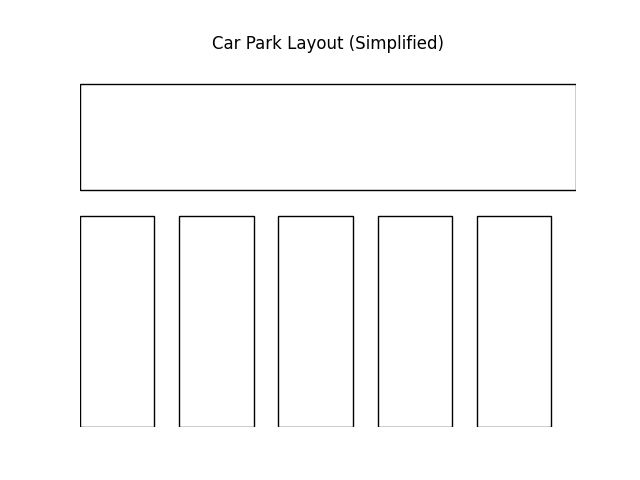
Well-designed car park marking improves traffic flow, maximises space, and enhances safety for both drivers and pedestrians.
Warehouse Line Marking
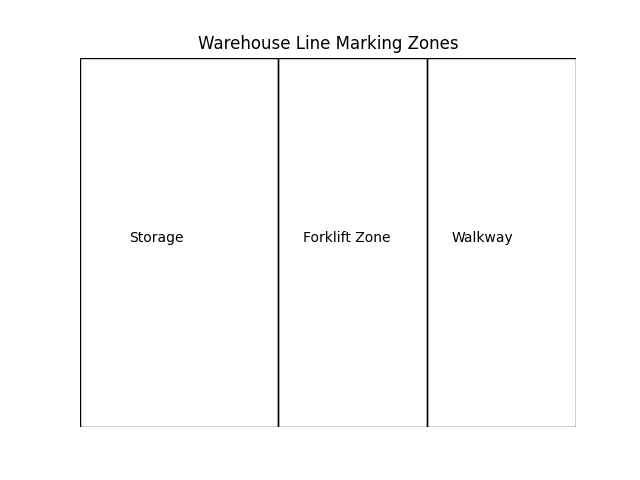
Warehouse line marking is used to organise workflows, separate pedestrian and vehicle zones, and highlight hazardous areas. It plays a key role in workplace safety and operational efficiency.
Road & Traffic Line Marking
Road marking includes lane lines, stop lines, pedestrian crossings, and reflective markings. These markings must meet strict regulatory standards and are typically applied using durable materials like thermoplastic.
Sports Court Line Marking
Sports courts—such as basketball, tennis, and netball—require precise markings that comply with official dimensions and layouts.
Industrial & Factory Floor Marking
In industrial settings, line marking is used to define storage zones, forklift paths, safety boundaries, and emergency exits.
Each type of line marking requires a tailored approach depending on usage, traffic, and compliance requirements.
Line Marking Materials Explained
The choice of material is one of the most important decisions in any line marking project. It affects durability, visibility, and cost.
Paint Line Marking
Paint is the most commonly used material for general applications such as car parks and warehouses.
Pros:
- Cost-effective
- Quick to apply
- Suitable for most surfaces
Cons:
- Shorter lifespan
- Can fade under heavy traffic or UV exposure
Thermoplastic Line Marking
Thermoplastic is a highly durable material that is heated and applied to the surface.
Pros:
- Long-lasting (often several years)
- Highly visible
- Ideal for roads and high-traffic areas
Cons:
- Higher upfront cost
- Requires specialised equipment
Epoxy Floor Coatings
Epoxy is commonly used in indoor environments like warehouses and factories.
Pros:
- Extremely durable
- Resistant to chemicals and wear
- Clean, professional finish
Reflective Markings
Reflective materials are used in low-light environments, particularly on roads and outdoor areas.
Choosing the right material depends on your environment, traffic levels, and long-term goals.
How Long Does Line Marking Last?
The lifespan of line marking varies depending on several key factors:
- Surface type (asphalt vs concrete)
- Traffic volume
- Weather conditions
- Material used
In general:
- Paint markings may last 6–18 months
- Thermoplastic markings can last 3–5 years or more
- Epoxy coatings can last several years indoors
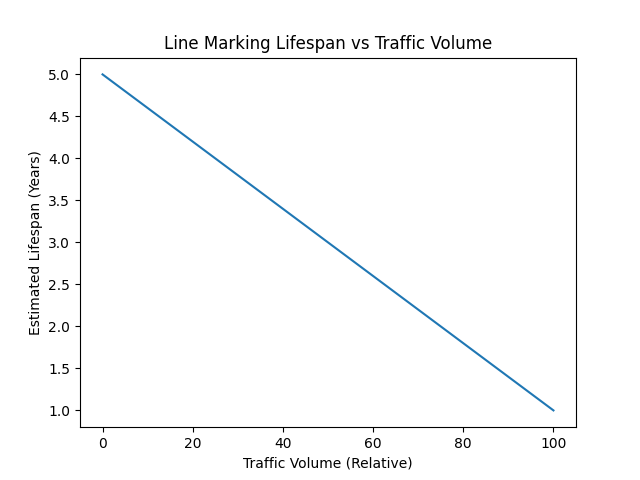
In Adelaide, UV exposure and heat can accelerate fading, especially for painted markings. High-traffic areas—such as shopping centre car parks—will also experience faster wear.
As a simple concept: the more traffic a surface experiences, the faster the markings will degrade. Regular inspections and maintenance are essential to ensure visibility and compliance.
Line Marking Costs in Australia
Line marking costs can vary significantly depending on the type of project, materials used, and site conditions.
Typical Cost Estimates
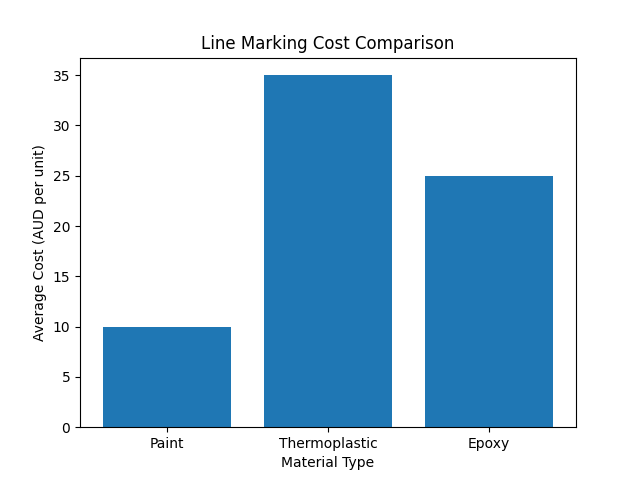
- Car park bays: approximately $5–$15 per bay
- Thermoplastic markings: $20–$50 per metre
- Warehouse line marking: varies depending on layout and complexity
Factors That Affect Cost
- Surface condition (new vs worn asphalt)
- Size of the project
- Type of material used
- Accessibility of the site
- Complexity of layout and design
While it may be tempting to choose the cheapest option, quality line marking provides better durability, visibility, and long-term value.
Investing in professional line marking often reduces the need for frequent repainting and helps avoid compliance issues.
Australian Standards & Regulations
Compliance is a critical aspect of line marking in Australia. There are various standards and guidelines that govern how markings should be applied, particularly in public and commercial spaces.
Key Areas of Compliance
Disabled Parking
Accessible parking spaces must meet specific size, signage, and placement requirements to comply with Australian standards.
Fire Lanes & No Parking Zones
These areas must be clearly marked and maintained to ensure emergency access is always available.
Workplace Safety (WHS)
In warehouses and industrial environments, line marking must support safe movement and hazard identification.
Failure to comply with these standards can result in fines, liability risks, and safety hazards.
For businesses in Adelaide, working with a knowledgeable line marking provider ensures your site meets all relevant regulations.
Car Park Line Marking Layout & Design
A well-designed car park is more than just painted lines—it’s a carefully planned system that balances capacity, safety, and usability.
Key Considerations
- Standard bay sizes
- Traffic flow and directional arrows
- Pedestrian walkways
- Disabled access
- Loading and drop-off zones
Optimising your layout can significantly improve the number of usable spaces while maintaining safety and compliance.
Poorly designed car parks often lead to confusion, congestion, and increased risk of accidents.
Warehouse & Safety Line Marking Systems
In warehouses and industrial environments, line marking is a key part of workplace safety systems.
Common Elements
- Pedestrian walkways
- Forklift zones
- Hazard areas
- Storage zones
- Emergency exits
Colour coding is often used to differentiate areas—for example:
- Yellow: general pathways
- Red: hazard or danger zones
- Green: safe zones or emergency exits
Clear, consistent markings help reduce accidents, improve workflow efficiency, and ensure compliance with workplace safety regulations.
Common Line Marking Mistakes to Avoid
Even small mistakes in line marking can lead to safety risks and costly rework.
Common Issues
- Incorrect spacing or dimensions
- Using the wrong material for the environment
- Ignoring Australian standards
- Poor surface preparation
- Inadequate visibility or contrast
Working with experienced professionals helps avoid these issues and ensures a high-quality result.
How to Choose a Line Marking Company
Choosing the right line marking contractor is essential for achieving a durable, compliant, and professional result.
What to Look For
- Proven experience in similar projects
- Knowledge of Australian standards
- Use of quality materials and equipment
- Ability to provide clear advice and recommendations
- Local expertise (particularly in Adelaide conditions)
A reliable provider will take the time to understand your site, recommend the best approach, and deliver long-lasting results.
Our Line Marking Services in Adelaide
At Siteline Marking, we provide professional line marking services across Adelaide and surrounding areas. With years of industry experience, we specialise in delivering high-quality, compliant markings for:
- Car parks
- Warehouses and industrial facilities
- Sports courts
- Commercial and retail spaces
We use proven materials and modern equipment to ensure durability, visibility, and precision in every project.
Whether you need a small refresh or a complete site layout, our team can help you achieve a safe and efficient result.
Frequently Asked Questions
How long does line marking take?
Most projects can be completed within a day, depending on size and complexity.
How often should line marking be repainted?
Paint markings typically require repainting every 6–18 months, while thermoplastic lasts much longer.
What is thermoplastic line marking?
Thermoplastic is a durable material applied in a molten state, commonly used for roads and high-traffic areas.
Do I legally need line marking for my business?
In many cases, yes—especially for car parks, accessibility compliance, and workplace safety.
Can old line marking be removed?
Yes, old markings can be removed or covered depending on the surface and condition.
Line marking is far more than a visual feature—it’s a critical component of safety, compliance, and functionality across a wide range of environments.
By understanding the different types of line marking, materials, costs, and regulations, you can make informed decisions that improve your space and reduce long-term maintenance costs.
If you’re planning a line marking project in Adelaide, working with an experienced and knowledgeable provider ensures the best possible outcome.
